✦ Highlights of My Journey with Go Discover Egypt — by S. Carriere ✦
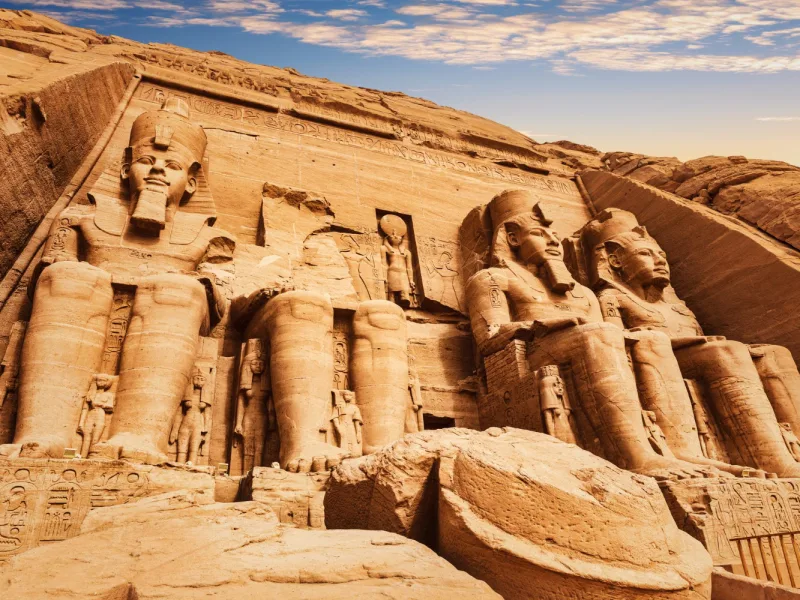
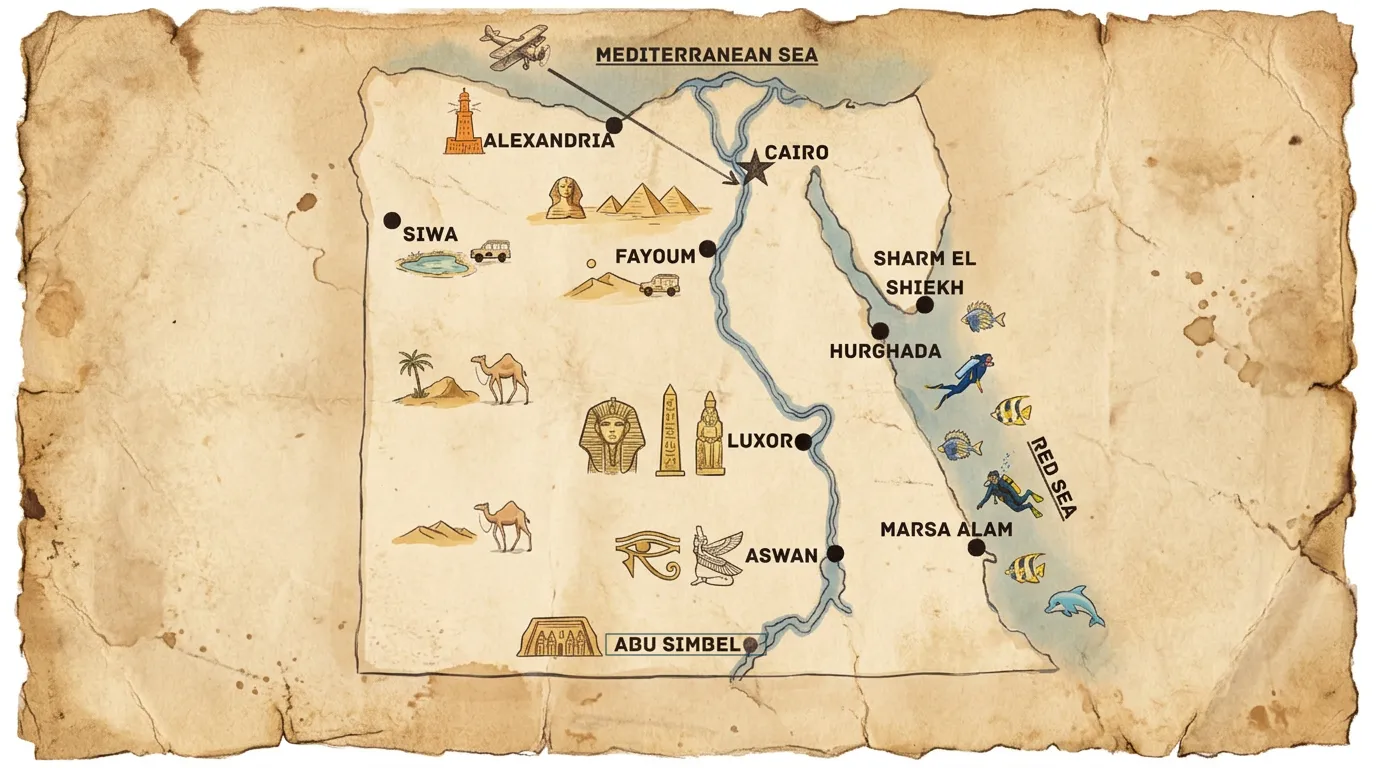
Located in southern Egypt, close to the border with Sudan and overlooking Lake Nasser, Abu Simbel is one of the most impressive archaeological sites in the country. The site is best known for its two magnificent temples, built by Pharaoh Ramses II more than 3,000 years ago.
A Unique Experience in Southern Egypt
What makes Abu Simbel special is the combination of history, architecture, and location. The temples stand surrounded by the desert landscape, creating an impressive contrast between the enormous stone monuments and the peaceful environment around them. Visiting the site offers a different experience from exploring the more famous attractions of Cairo or Luxor.
Abu Simbel feels more remote and peaceful, making the journey itself part of the experience. For anyone interested in ancient history, architecture, or Egyptian culture, Abu Simbel is a destination that should not be missed.
The Great Temple of Ramses II
The first thing that catches your attention when arriving at Abu Simbel is the enormous façade of the Great Temple. Four massive statues of Ramses II stand at the entrance, each representing the power and importance of the pharaoh.
The size of the statues is truly impressive. Standing in front of them gives you a real sense of the scale and ambition of ancient Egyptian architecture.
The temple itself is dedicated to Ramses II and several important Egyptian gods. Inside, the walls are covered with detailed reliefs and hieroglyphics showing scenes from the life of the pharaoh, religious ceremonies, battles, and ancient Egyptian beliefs.
Walking through the different rooms and halls, you can see how carefully the temple was designed and decorated. Even after thousands of years, many of the carvings remain remarkably well preserved
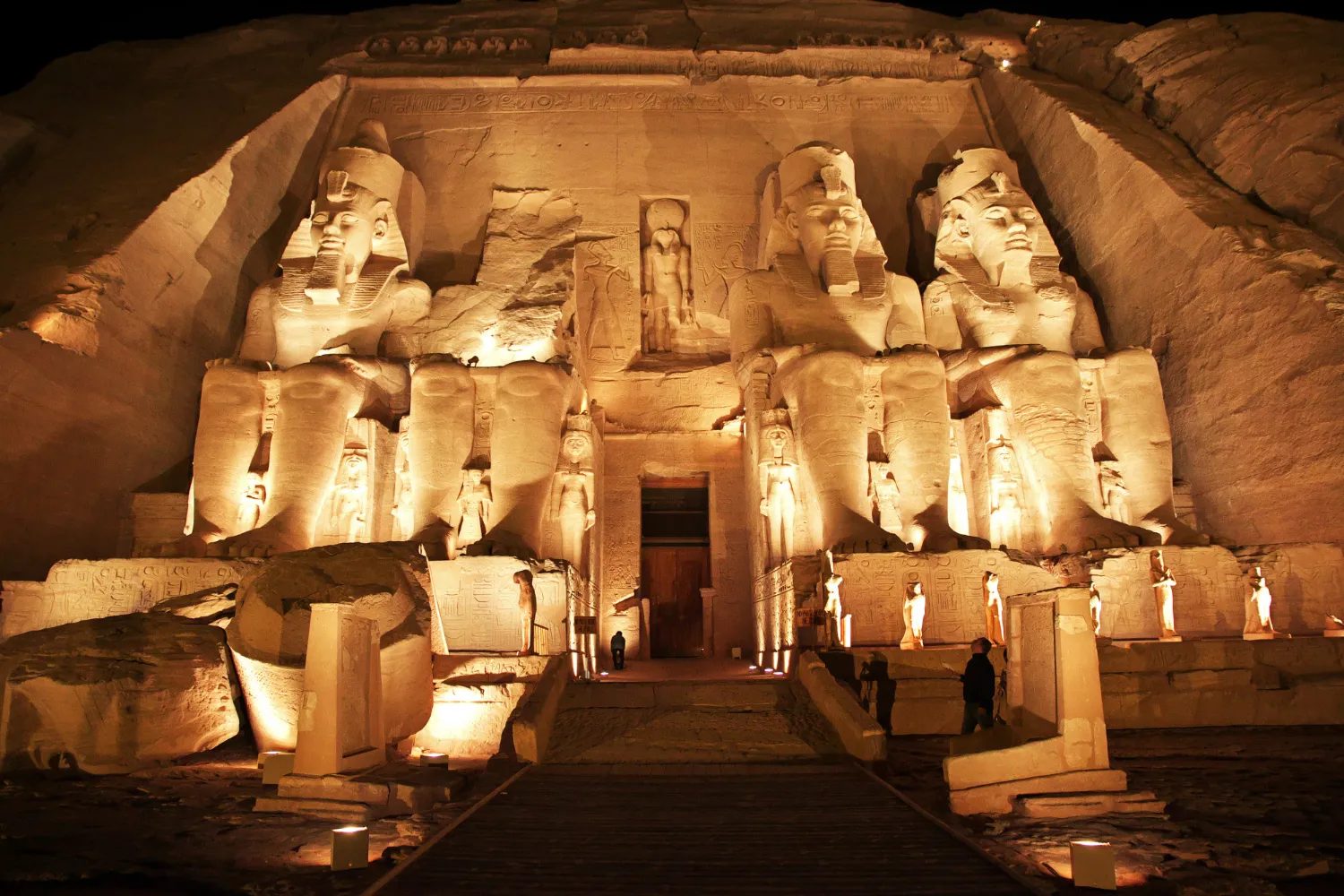 𓋹 The Temple of King Ramses II
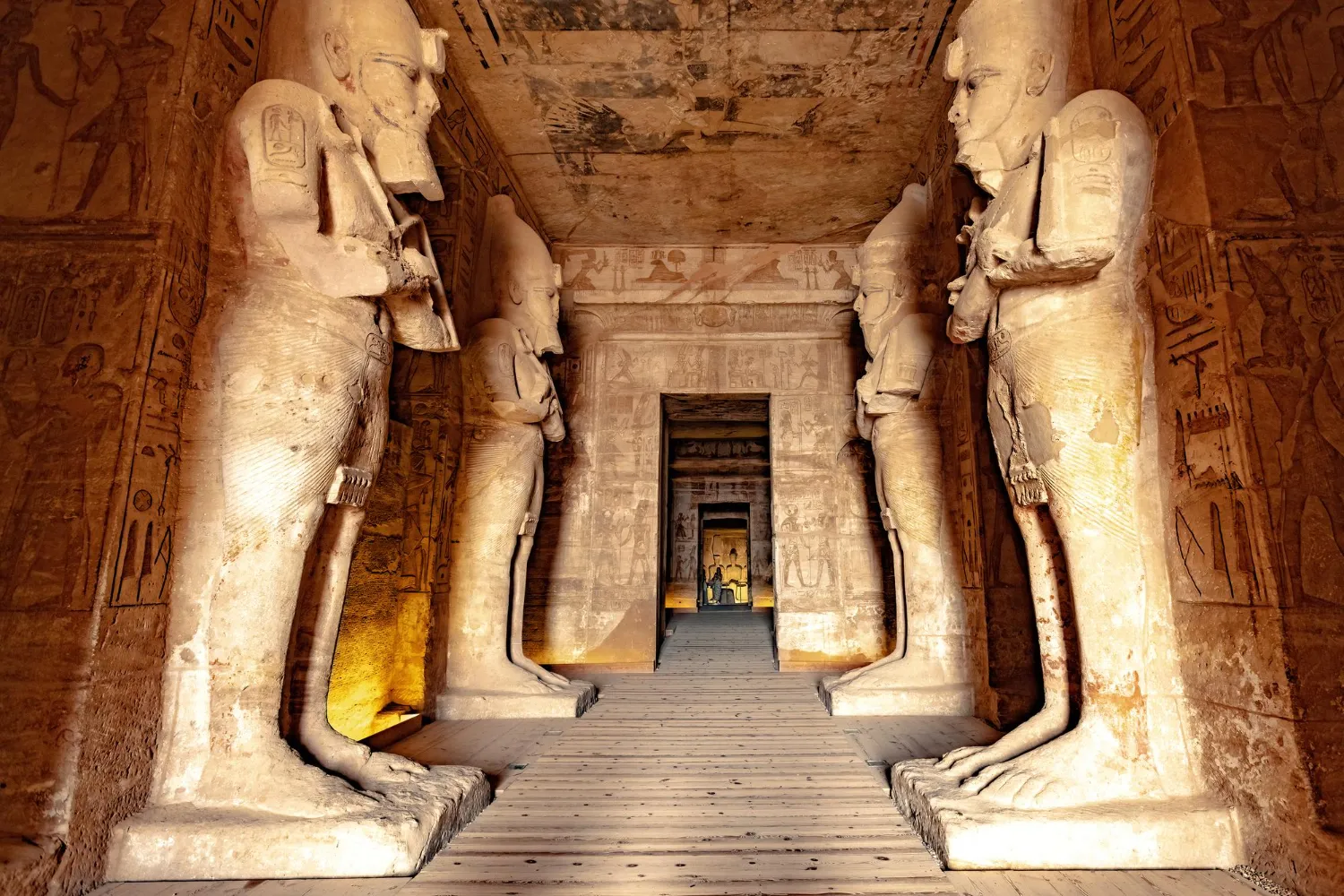
𓋹 Inside the temple of King Ramses II
The Temple of Queen Nefertari
Next to the Great Temple is the smaller temple dedicated to Queen Nefertari, the wife of Ramses II, and the goddess Hathor.
The temple is particularly beautiful because of its elegant design and detailed decorations. The façade features large statues of Ramses II and Nefertari, while the interior contains colorful reliefs showing the queen with the gods.
It is also interesting to see how Nefertari is represented at such an impressive scale. Her temple reflects the important role she held during the reign of Ramses II.
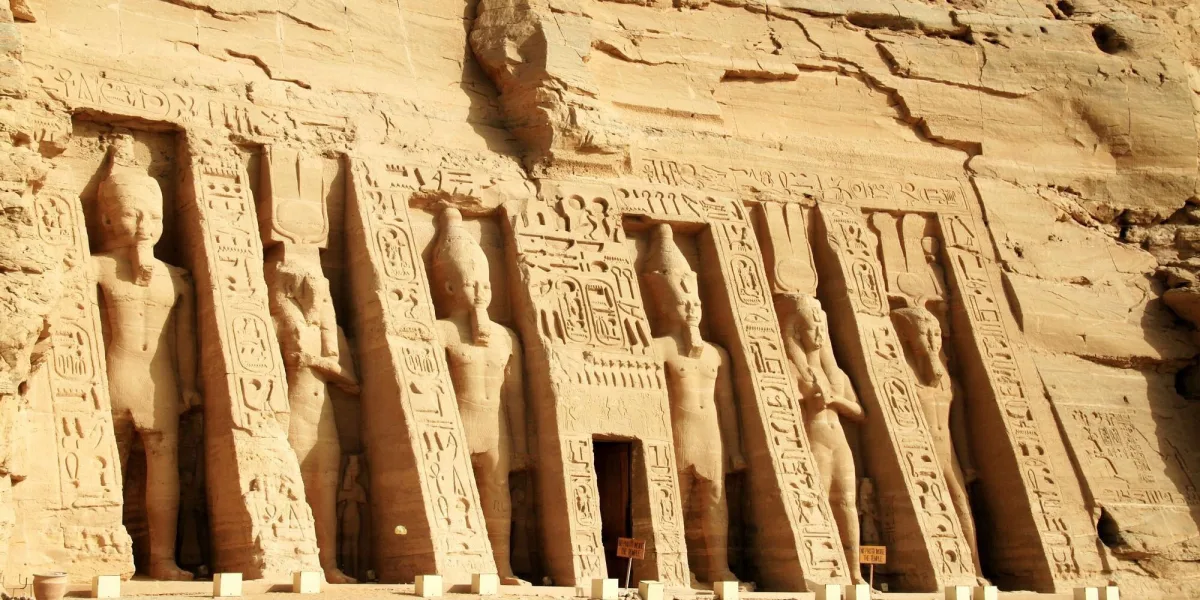 𓋹 The temple of Queen Nefertari
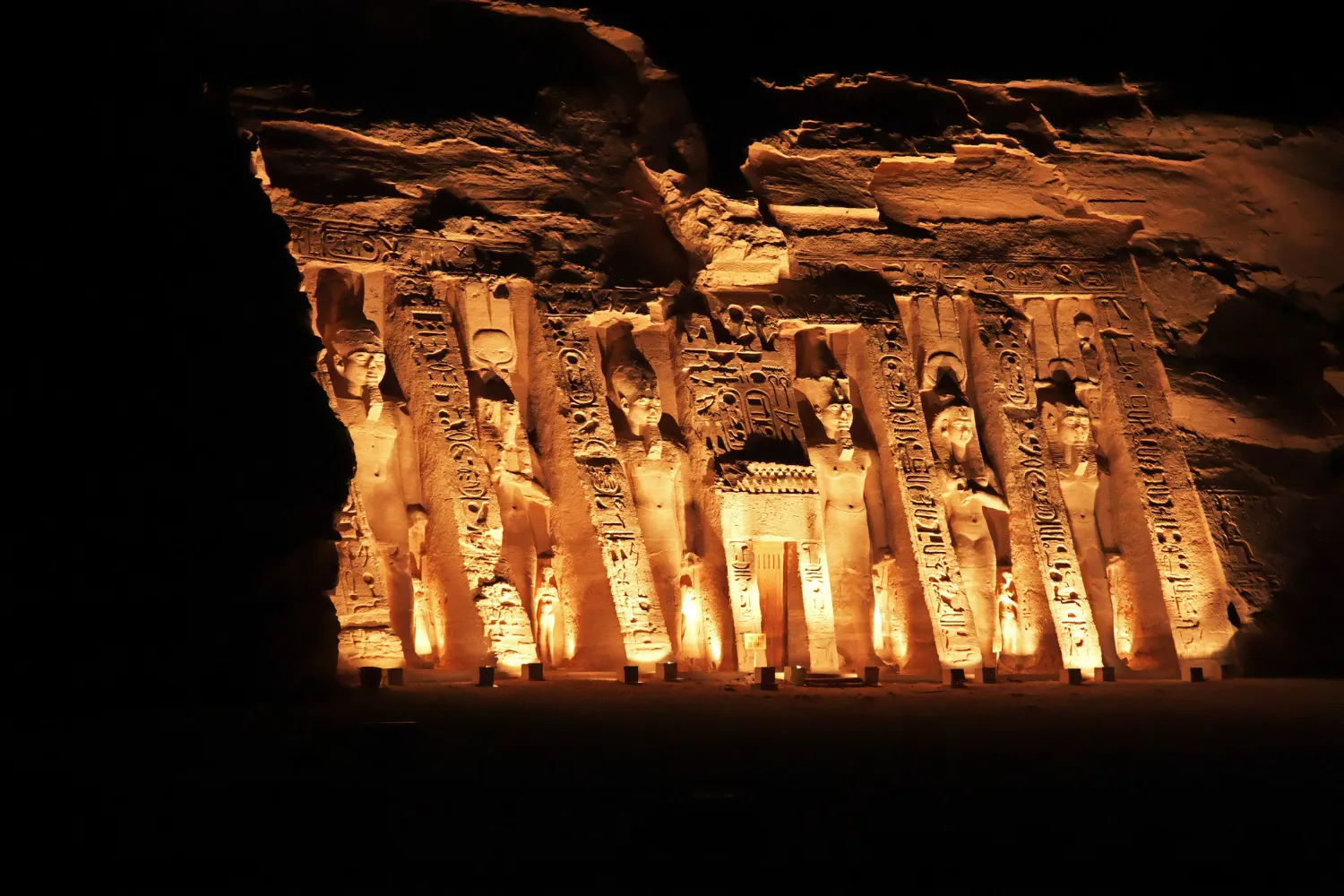
𓋹 Night view of the temple of Queen Nefertari
The Incredible Story of Abu Simbel
Abu Simbel has an amazing history not only because of its ancient origins, but also because of what happened to the temples in modern times.
During the construction of the Aswan High Dam in the 1960s, the rising waters of Lake Nasser threatened to completely submerge Abu Simbel.
An international project was organized to save the temples. Between 1964 and 1968, the temples were carefully cut into thousands of sections, moved to higher ground, and reconstructed in their new location.
The result is an extraordinary example of modern engineering and international cooperation. Thanks to this enormous effort, visitors from around the world can still experience Abu Simbel today.
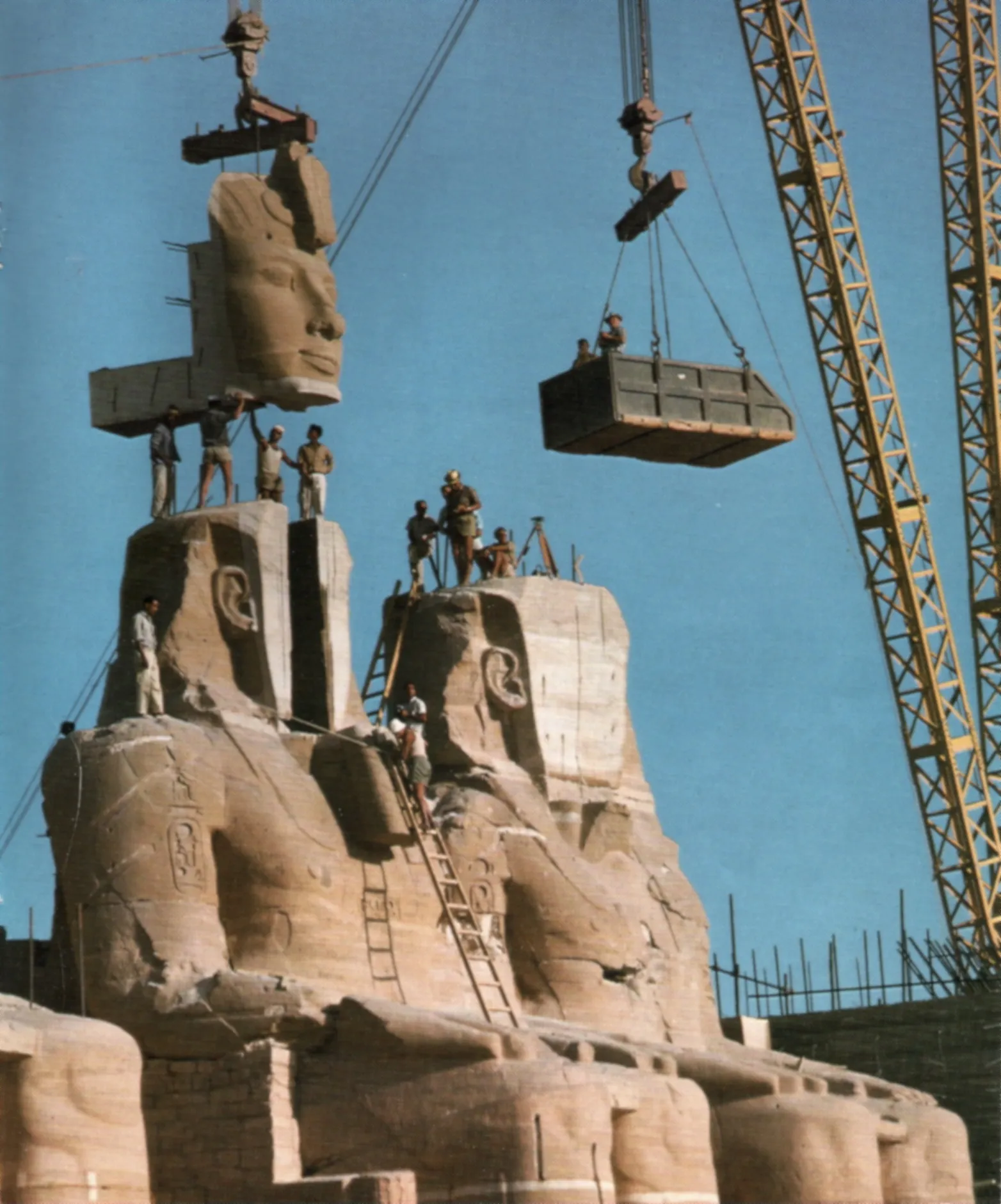
𓋹 Moving the temples of Abu Simbel
Photo by Per-Olow Anderson via Wikimedia Commons / Public Domain
The Magical Sun Festival of Abu Simbel
Twice a year, the magnificent Temple of Abu Simbel becomes the setting for one of ancient Egypt’s most extraordinary spectacles: the sunlight illuminating the sanctuary deep within the temple.
Built during the reign of Pharaoh Ramses II in the 13th century BC, the temple was carefully designed so that the rising sun would penetrate its inner sanctuary and illuminate the statues of Ramses II and the gods Amun-Ra and Ra-Horakhty. The phenomenon traditionally occurs around February 22 and October 22, dates often associated with the pharaoh’s coronation and birthday, although the exact historical significance of these dates remains debated.
On these remarkable mornings, the sun’s rays travel approximately 60 metres into the temple, gradually illuminating the sacred statues while leaving the figure of Ptah, the god associated with the underworld, in darkness.
This extraordinary alignment reveals the ancient Egyptians’ remarkable understanding of astronomy, architecture, and the movement of the sun. More than a feat of engineering, it reflects the profound relationship between religion, royal power, and the cosmos in ancient Egyptian civilization.
Today, the Sun Festival of Abu Simbel continues to attract visitors from around the world, offering a rare opportunity to witness the brilliance of ancient Egyptian ingenuity and experience a timeless connection between the sun, the gods, and the pharaohs.
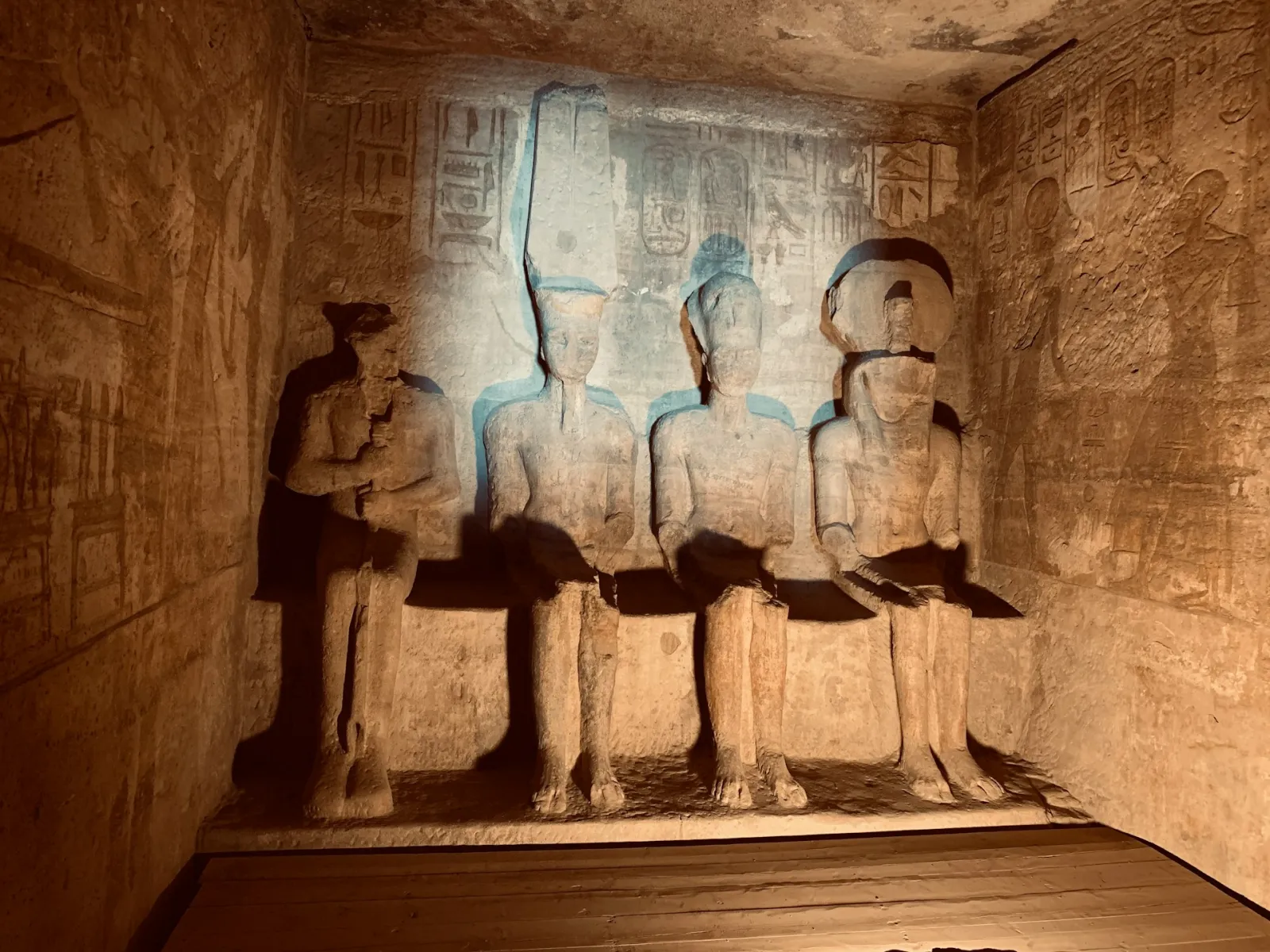
𓋹The inner sanctuary of the temple of King Ramses II
My Experience with Go Discover Egypt
I was able to discover Abu Simbel as part of my trip with Go Discover Egypt.
The organization of the journey made it easy to enjoy the experience without worrying about the details.
From the journey to the site to the time spent exploring the temples, everything allowed me to focus on discovering the history and beauty of this incredible place.
Abu Simbel was certainly one of the memorable moments of my trip to Egypt. Seeing the temples in person made me appreciate just how extraordinary ancient Egyptian civilization was and how much effort has gone into preserving its heritage.
If Egypt is on your travel list, I would highly recommend including Abu Simbel in your itinerary. It is a place where history, culture, and architecture come together in a truly unforgettable way.
Abu Simbel is not simply another ancient monument. It is one of the great treasures of Egypt — and a place that is best experienced in person.
Abu Simbel Temple: Do’s and Don’ts
Continue Your Journey of Discovery
Discover Egypt
An unforgettable adventure to Egypt's most iconic sites and hidden gems.